Beach Fitness Workouts: Full-Body Training by the Sea in England
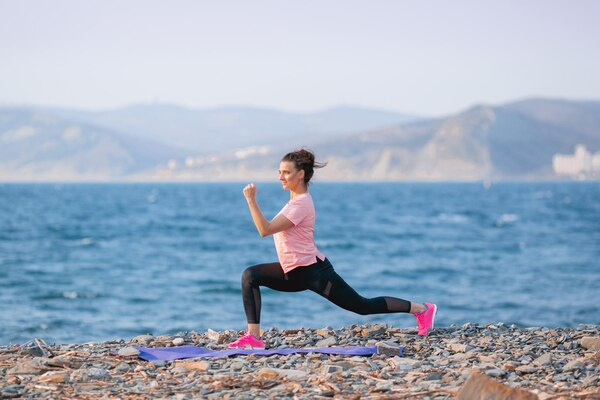
Beach fitness is more than a holiday trend—it can be a powerful way to train your whole body, especially along England’s varied coastline. From the wide sands of Bournemouth to the wild stretches of Northumberland, the beach offers natural resistance, changing terrain, and fresh sea air that challenge your muscles and mind in ways a gym cannot.
Below is a practical guide to full-body beach workouts tailored to English conditions: cooler temperatures, unpredictable weather, tides, and mixed sand types.
Why Train on the Beach?
1. Natural Resistance and Instability
- Soft sand forces stabiliser muscles in your ankles, knees, hips, and core to work harder.
- You burn more calories for the same movements compared with firm ground.
- Great for developing strength, balance, and joint stability.
2. Low-Impact but High-Intensity
- Sand absorbs impact, reducing stress on joints when running, jumping, or doing plyometrics.
- Ideal for people who want intense sessions without pounding their knees and hips.
3. Mental and Respiratory Benefits
- Cooler, salty air and open views can make workouts feel less stressful and more enjoyable.
- The sea breeze often feels invigorating, especially during early-morning or evening sessions.
Safety and Preparation on English Beaches
1. Check Tides and Conditions
- Look up local tide times (e.g. via the Met Office or local harbour sites).
- Train on firm, damp sand close to the waterline during a falling or low tide for better footing.
- Avoid very steep or heavily shelved beaches for sprinting.
2. Mind the Weather
- English beaches can be windy and cool even in summer.
- Dress in light layers : a moisture-wicking base, long-sleeve top or light windbreaker, and shorts/leggings.
- Use sunscreen and sunglasses on clear days; UV is strong near water.
3. Footwear Choices
- Barefoot: Great for strengthening feet and ankles, but check for shells, stones, and debris first.
- Minimal trainers: A safer middle ground on rougher beaches (pebbles, shells).
- If you’re new to barefoot movement, limit it to 10–15 minutes initially to avoid calf and Achilles strain.
4. Warm-Up Essentials
The cool coastal air can tighten muscles quickly. Do 5–10 minutes of:
- Brisk walk or light jog along the shoreline
- Leg swings, arm circles, hip rotations
- Dynamic moves like walking lunges and high knees
Full-Body Beach Workout Structure
Aim for:
- Frequency: 2–3 sessions per week
- Duration: 30–45 minutes
- Format: Circuit style—30–45 seconds of work, 15–30 seconds of rest, 2–4 rounds
You can do this with no equipment, or add simple tools like a resistance band or a light kettlebell if you’re comfortable carrying them.
Lower Body: Strength and Power on Sand
1. Sand Squats
Muscles: Quads, glutes, core
- Stand hip-width apart on firm sand.
- Sit back as if into a chair, keeping chest up and knees tracking over toes.
-
Drive through heels to stand.
Progression: Jump squats—explode up, land softly.
2. Walking Lunges Along the Shore
Muscles: Quads, glutes, hamstrings, hips
- Step forward into a lunge, both knees bent to ~90 degrees.
-
Push through the front heel, bring the back leg through into the next step.
Tip: Use the slightly firmer sand nearer the waterline for balance.
3. Side Lunges in the Sand
Muscles: Inner and outer thighs, glutes
- Stand tall, step out to the side, bend that knee and push hips back; keep the other leg straight.
-
Push back to centre and alternate sides.
Benefit: The shifting sand forces your hips and knees to stabilise.
4. Hill or Dune Sprints (Where Allowed)
Muscles: Glutes, hamstrings, calves, core, cardiovascular system
- Choose a low, stable dune or incline that’s not protected or signed off-limits.
- Sprint up for 10–15 seconds, walk down slowly.
-
Repeat 6–10 times.
Caution: Respect local conservation rules and roped-off dune systems.
Upper Body: Push and Pull with Minimal Kit
1. Push-Ups in Soft Sand
Muscles: Chest, shoulders, triceps, core
- Hands slightly wider than shoulder-width, body in a straight line.
-
Lower chest towards the ground, push back up.
Variations: - Incline push-ups on a lifeguard stand or steps for beginners.
- Decline push-ups (feet elevated on a rock or step) to increase difficulty.
2. Sand “Rows” with Towels or Bands
Muscles:
Upper back, biceps, rear shoulders
If you have a partner:
- Sit opposite each other, legs slightly bent, holding a towel between you.
- One person pulls, the other provides resistance, then swap.
If you’re solo with a resistance band:
- Loop the band around a solid object (railing, post).
- Step back to create tension, pull handles towards your ribs, squeezing shoulder blades.
3. Beach Bench Dips
Muscles: Triceps, shoulders, chest
- Use a low wall, bench, or sturdy rock.
- Hands behind you on the surface, legs extended.
-
Lower body by bending elbows, push back up.
Easier: Bend knees to reduce the load.
Core: 360° Stability in an Unstable Environment
1. Plank Variations
Muscles: Entire core, shoulders, glutes
-
Forearms on the sand, elbows under shoulders, body in a straight line. Hold 20–60 seconds.
Variations: - Side planks for obliques.
- Plank shoulder taps (from high plank) for anti-rotation stability.
2. Sand “V-Sits” or Boat Pose
Muscles: Abs, hip flexors
- Sit on the sand, lean back slightly, lift feet off the ground, balance on sit bones.
- Hold, or extend and bend legs in and out.
3. Rotational Core with a Rock or Ball
Muscles: Obliques, deep core
- Sit or half-squat holding a light rock, small sandbag, or ball.
- Rotate torso side to side, tapping the object on either side of your hips.
- Keep hips facing forward; the movement is through your torso.
Conditioning: Cardio and Agility by the Sea
1. Sand Sprints
- Mark out ~20–40 metres along the firmer sand.
- Sprint down, walk back, repeat 8–12 times.
- Focus on short, powerful strides and a tall posture.
2. Shuttles and Change-of-Direction Drills
- Place two markers (towels, bottles, shoes) 10–15 metres apart.
- Sprint to one, touch the sand, sprint back, repeat.
- Add side shuffles or backwards runs for variety.
3. Waterline Intervals
If the sea is calm and conditions are safe:
- Jog on the wet sand with small waves washing over your feet.
-
Alternate 1 minute faster run, 1 minute easy jog or walk for 10–20 minutes.
Bonus: Cold water around your ankles can help circulation and recovery.
Sample 40-Minute Full-Body Beach Session
Warm-Up (8–10 minutes)
- 3–5 minutes brisk walk or light jog
- Dynamic stretches: leg swings, arm circles, hip rotations, walking lunges
Strength & Core Circuit (20 minutes)
Perform 40 seconds work / 20 seconds rest, 3 rounds:
- Squats or jump squats
- Push-ups (any variation)
- Walking lunges
- Plank (front or side)
- Bench dips
- Rotational core with rock/ball
Conditioning (8–10 minutes)
- 6–10 sand sprints (20–40 m), walk back between each
Cool-Down (5 minutes)
- Slow walk
- Stretch quads, hamstrings, calves, hips, chest and shoulders
Adapting to Typical English Beach Conditions
Cooler Months (Spring, Autumn, Mild Winter Days)
- Shorten sessions to 20–30 minutes, increase intensity.
- Prioritise movements that keep you warm: sprints, circuits with little rest.
- Wear gloves if doing push-ups or planks on cold, wet sand.
Crowded Summer Beaches
- Train early morning or later in the evening.
- Use less space: static circuits, on-the-spot drills, core work.
- Avoid sprinting in areas with children playing or people sunbathing.
Pebble or Shingle Beaches
-
Focus on:
- Upper body and core on a towel or mat
- Short, controlled lower-body work rather than maximal sprints
- Wear shoes for stability and protection.
Recovery and Post-Workout Routine
- Hydrate: Sea air and wind can dehydrate you even on cool days.
- Light sea dip (if safe): A brief immersion can feel refreshing and may reduce soreness.
- Change quickly: English weather turns fast; bring dry clothes to avoid getting chilled.
- Refuel: Have a snack with protein and carbohydrates within an hour (e.g. yoghurt and fruit, sandwich, or a protein shake).
Making It a Habit
- Choose one or two nearby beaches and learn their tide and crowd patterns.
- Set fixed days and times for beach sessions—treat them like appointments.
- Log basic metrics (rounds completed, sprint distances, rest times) to track progress.
- Invite a friend or join local beach fitness groups common in coastal towns.
Training by the sea in England can turn an ordinary workout into a memorable, energising experience. With some planning for weather, tides, and terrain, the beach becomes a free, ever-changing outdoor gym that challenges your whole body and refreshes your mind.